
Discover Tanzania
Birding & Wildlife
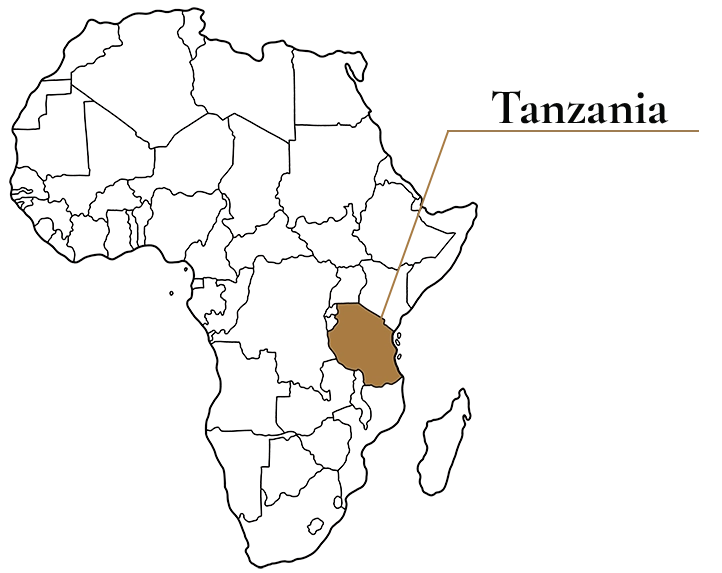
Tanzania is the epicenter of birding and wildlife safaris in East Africa, a top destination for naturalists seeking cutting-edge biodiversity. The country's Northern Circuit connects critical habitats from the Great Rift Valley to the plains of Serengeti National Park and the Ngorongoro Crater. This ecological connectivity guarantees sightings of the "Big Five" and unique dynamic processes such as the Great Migration, solidifying the region's position as a conservation leader.
According to the specialized ornithologist, the territory is home to more than 1,100 recorded species, including strict endemics such as the Tanzanian Weaver (Histurgops ruficauda) and Moreau's Sunbird (Cinnyris moreaui). The diversity of birdlife is concentrated in key areas such as Lake Manyara National Park and the montane forests of Kilimanjaro, offering an optimal altitudinal gradient for recording migratory Palearctic species between November and April.
Logistics for scientific and nature photography expeditions are coordinated from Kilimanjaro International Airport (JRO), the geographical gateway to the Tarangire and Arusha sanctuaries. Operating from this hub optimizes land routes and domestic flights to complex ecosystems, ensuring technical access to areas of high biological density for both intermediate observers and expert guides.
 Serengeti National Park & Ngorongoro
Tarangire National Park
Usambara Mountains (Eastern Arc Mountains)
Lake Manyara National Park
Arusha & Mount Meru National Park
Serengeti National Park & Ngorongoro
Tarangire National Park
Usambara Mountains (Eastern Arc Mountains)
Lake Manyara National Park
Arusha & Mount Meru National Park
Serengeti National Park and Ngorongoro Conservation Area
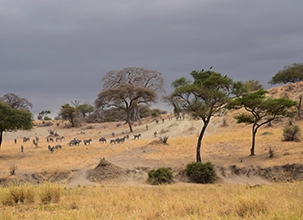
Habitat: Open savanna, lowland grasslands, acacia woodlands, and seasonal wetlands.
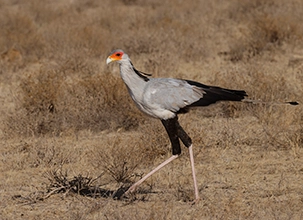
Target Birds: Tanzanian Red-billed Hornbill (Tockus ruahae), Rufous-tailed Weaver (Histurgops ruficauda), Fischer's Lovebird (Agapornis fischeri), Somali Ostrich (Struthio molybdophanes), Secretarybird (Sagittarius serpentarius), and the mythical Kori Bustard (Ardeotis kori).
Why visit: In addition to being home to more than 500 bird species, it offers the spectacle of raptors and scavengers following the Great Migration of herbivores. It is a paradise for spotting thick-knees, sandgrouse, and a huge density of larks and pipits.
Best time: November to April (when the Eurasian migrants arrive and the resident birds have their breeding plumage).
Field Tips: Birdwatching here is done almost entirely from pop-top 4x4 vehicles. Walking outside designated areas is prohibited. A 400mm to 600mm lens is essential, as many raptors and plains birds will be at considerable distances across the savanna. Severe dust is present during the dry season; protect your binoculars and cameras with sealed cases.
Official IBA Codes: TZ002 (Serengeti National Park) and TZ003 (Ngorongoro Conservation Area).
IBA Status: Internationally protected for supporting key global populations of biome-restricted savanna birds and for being a critical migratory corridor for more than 500 Eurasian and Afrotropical species. Detailed information here.
Tarangire National Park
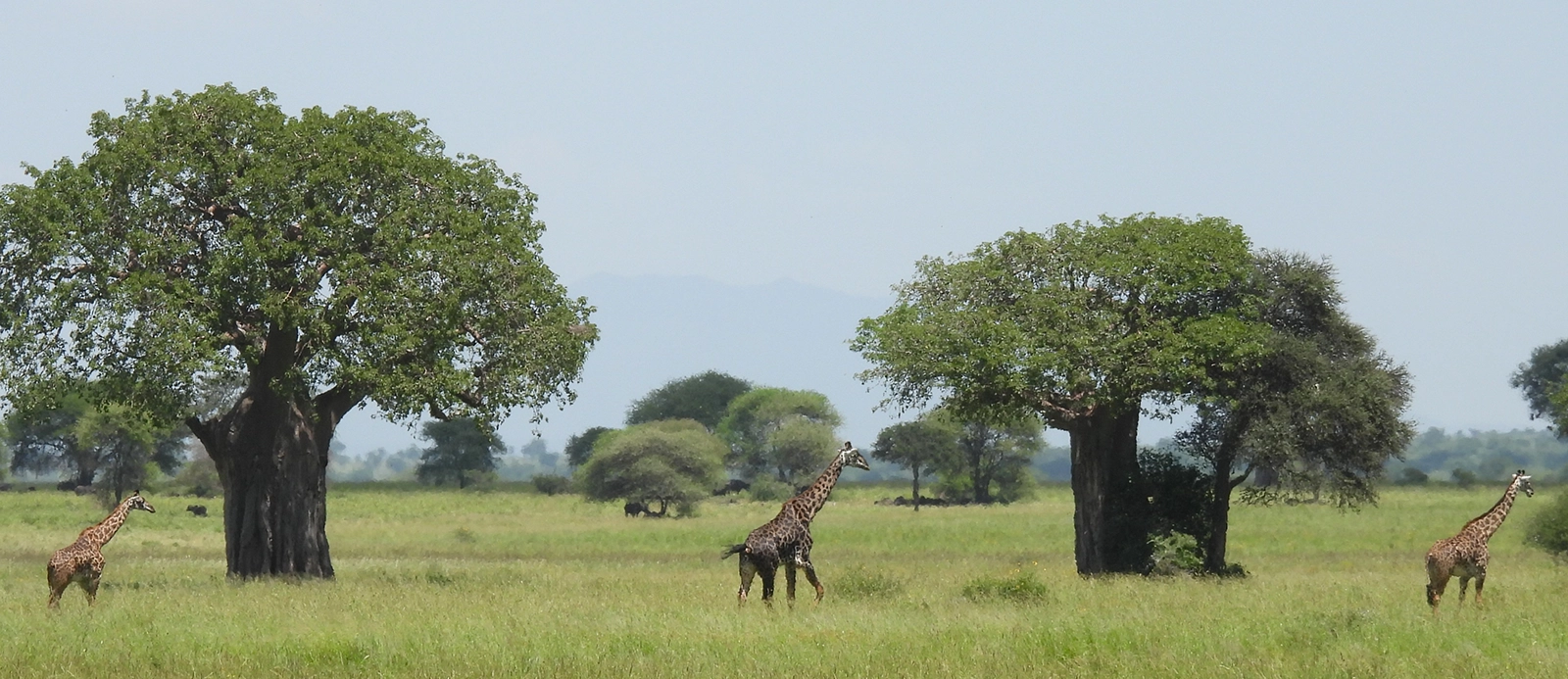
Habitat: Baobab-studded savanna, riverine woodlands, and seasonal swamps.
Target Birds: Yellow-collared Lovebird (Agapornis personatus), Ashy Starling (Lamprotornis unicolor), Northern Pied Babbler (Turdoides hypoleuca), and the unique Tarangire Red-billed Hornbill.
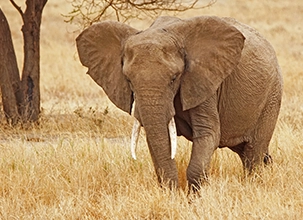
Why visit: Home to Tanzania's largest elephant herds and over 550 bird species. The park is famous for its stunning baobab trees and offers excellent birding during the dry season when wildlife congregates around the Tarangire River.
Best time: June to November (dry season) for wildlife concentration; November to April for migratory birds.
Field Tips: The park is excellent for photography with its dramatic baobab landscapes. Morning and late afternoon game drives are most productive. Don't miss the swamps which attract large numbers of waterbirds.
Usambara Mountains (Eastern Arc Mountains)
Habitat: Montane rainforest, cloud forest, and afro-montane heathland.
Target Birds: Usambara Eagle-Owl (Bubo vosseleri), Usambara Akalat (Sheppardia montana), African Green Broadbill (Pseudocalyptomena graueri), and the endemic Usambara Weaver (Ploceus nicolli).
Why visit: One of Africa's most important biodiversity hotspots with exceptional endemic species. The Usambara Mountains offer a unique birding experience in pristine montane forests with spectacular viewpoints.
Best time: September to March (drier months) for easier forest birding; June to August can be wet but bird activity is high.
Field Tips: Walking safaris are the primary way to explore these forests. A good pair of binoculars and a bird guidebook are essential. The forests can be steep and muddy; appropriate footwear is recommended.
Lake Manyara National Park
Habitat: Soda lake, groundwater forest, acacia woodland, and open grasslands.
Target Birds: Thousands of Greater and Lesser Flamingos, Yellow-billed Stork (Mycteria ibis), African Spoonbill (Platalea alba), and the distinctive Grey-crowned Crane (Balearica regulorum).
Why visit: Famous for its tree-climbing lions and spectacular flamingo populations. The diverse habitats support over 400 bird species, making it one of Tanzania's best birding destinations.
Best time: June to October (dry season) for bird concentration; November to April for migratory species and the arrival of Eurasian birds.
Field Tips: The park is accessible year-round. The groundwater forest offers excellent birding close to the road. The lake shore is best viewed from the escarpment viewpoints.
Arusha & Mount Meru National Park
Habitat: Montane forest, afro-alpine moorland, and volcanic craters.
Target Birds: Taveta Golden Weaver (Ploceus castaneiceps), Mountain Buzzard (Buteo oreophilus), African Hill Babbler (Pseudoalcippe abyssinica), and the rare Sharpe's Longclaw (Macronyx sharpei).
Why visit: A fantastic introduction to Tanzania's birdlife with excellent forest birding and stunning views of Mount Meru. The park offers varied habitats from forest to moorland.
Best time: January to March (dry season) for optimal birding conditions; June to September for clear views of Mount Meru.
Field Tips: The park offers excellent walking safaris with armed rangers. Altitude can be a factor; take time to acclimatize. The forest edge is particularly productive for birding.
Tours in Tanzania
Tanzania Birding Safari
Explore the best of Tanzania's birdlife with expert guides and luxury accommodations.
 14 days
 Full itinerary
Great Migration Safari
Witness the greatest wildlife spectacle on Earth with expert photography guidance.
21 days
Full itinerary
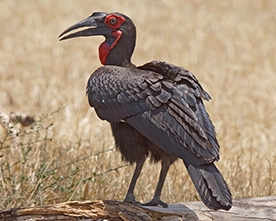
Tanzania Luxury Safari
Experience Tanzania's wilderness in ultimate comfort with premium lodges and camps.
18 days
Full itinerary
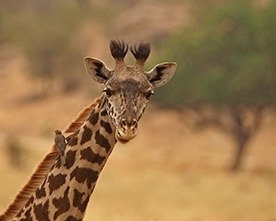
Family Birding Tanzania
A perfect birding adventure for families with children of all ages.
10 days
Full itinerary
Upcoming Tours
Birding Tour Tanzania
21 daysLorem ipsum dolor sit amet, consectetur adipiscing elit, sed do eiusmod tempor incididunt ut labore et dolore magna aliqua.
Tanzania: Wildlife Photography
30 daysLorem ipsum dolor sit amet, consectetur adipiscing elit, sed do eiusmod tempor incididunt ut labore et dolore magna aliqua.

Tanzania Travel FAQs:
What to Know Before You Go
Most international travelers require a single-entry tourist visa. It is highly recommended to apply online for an e-Visa through the official Tanzania Immigration Portal at least two weeks before your departure to avoid long lines at border control or the airport.
A Yellow Fever vaccination certificate is strictly required if you are arriving from or transiting through a country with a risk of yellow fever transmission. Malaria prophylaxis pills are also strongly recommended for safaris.
The peak dry season runs from July to October, which offers the absolute best wildlife viewing and coincides with the Great Migration crossing the Mara River.
The official currency is the Tanzanian Shilling (TZS). However, US Dollars (USD) printed after 2006 are widely accepted for safaris, national park fees, and tipping.
Have Questions?
Let's Connect
Most international travelers require a single-entry tourist visa.